Your EHR, your charting workflow, your front desk. None of them can wait on a ticket queue. Our healthcare IT support is built for multi-site practices and clinic networks on Long Island where patient throughput, audit readiness, and PHI handling all have to hold up at the same time.







As a healthcare IT support partner on Long Island, our team is local, in-house, and trained to handle PHI the way HIPAA expects. Most issues are resolved remotely on the first call. When we need to be on-site at your clinic, lab, or admin office, we deploy a technician.
Nor’easters, power events, and Long Island’s congested commercial corridors don’t slow us down. Our support network covers the broader region and the Northeast, with backstop coverage from our Florida operations.
If your practice already runs an internal IT lead or coordinator, our Hybrid IT program supplements that team with the specialist expertise multi-site practices need: HIPAA controls, EHR vendor management, lab and imaging integrations, telehealth platform reliability.
A 50-provider practice doesn’t run on the same infrastructure as a 5-provider one, and a practice that’s grown from 80 to 220 staff over three years rarely has IT that grew with it. New locations, new providers, new specialists. Each one adds devices, access requests, and audit surface area.
Most internal IT teams handle the day-to-day well but get pulled thin the moment a new location opens, a major EHR upgrade hits, or a HIPAA assessment lands. Tasks slide onto front desk managers, billing leads, and clinical staff, none of whom were hired to manage technology, and all of whom have patient-facing work to do.
A healthcare-focused managed services partner closes that gap. You decide the scope (full-outsource, co-managed alongside an internal lead, or specialist support for compliance and security), and the practice keeps running while we handle the technology underneath it.

Most practices waste real hours every week on tasks that don’t belong on a clinician or front-desk schedule. Clearing print queues, chasing password resets, rebooting an exam room workstation, walking a new hire through EHR access. None of it is hard work. All of it is the wrong work for the people doing it.
Pulling those tasks off your staff lets clinicians stay clinical and your administrators stay focused on patient flow, scheduling, billing, and the parts of the operation that actually move revenue and care quality.
PHI exposure is not a hypothetical risk for a 100-to-250-employee practice. It’s the risk regulators ask about first. Cybersecurity for healthcare has to do two jobs at once: keep threats out and keep your HIPAA posture defensible.
We integrate security controls with documented HIPAA compliance work so the same platform protecting your network is also producing the audit evidence your compliance officer needs. Event monitoring, access controls, encrypted email, breach detection, and the documentation to prove it was in place if anyone ever asks.

Patient care doesn’t keep office hours, and neither does your technology. Telehealth on a Saturday morning, an EHR slowdown during evening urgent care, a network event before Monday’s first appointment. All of it needs a real person on the other end of the phone.
Our healthcare support is staffed around the clock, with a team that knows healthcare workflows. You’re not explaining to a generic helpdesk what an EHR is at 11 PM.
Every hour your EHR is down, your practice is losing more than productivity. It’s losing appointments, prescription throughput, billing entries, and patient trust. Industry data puts network downtime at $5,600 per minute for the average business. In healthcare, the operational and reputational cost runs higher.
Our approach is to prevent the outage, not respond to it. Continuous monitoring identifies the systems that are degrading before they fail, so your team isn’t finding out at 8 AM Monday when the schedule is already booked.
Practice budgets don’t tolerate surprise invoices. Our managed services run on a fixed-fee model, so your CFO or practice administrator knows exactly what IT costs each month. No break-fix billing, no surprise project charges for routine work, no scope creep.
That predictability lets you plan capital expenditure (new locations, EHR upgrades, equipment refresh) instead of reacting to invoices.
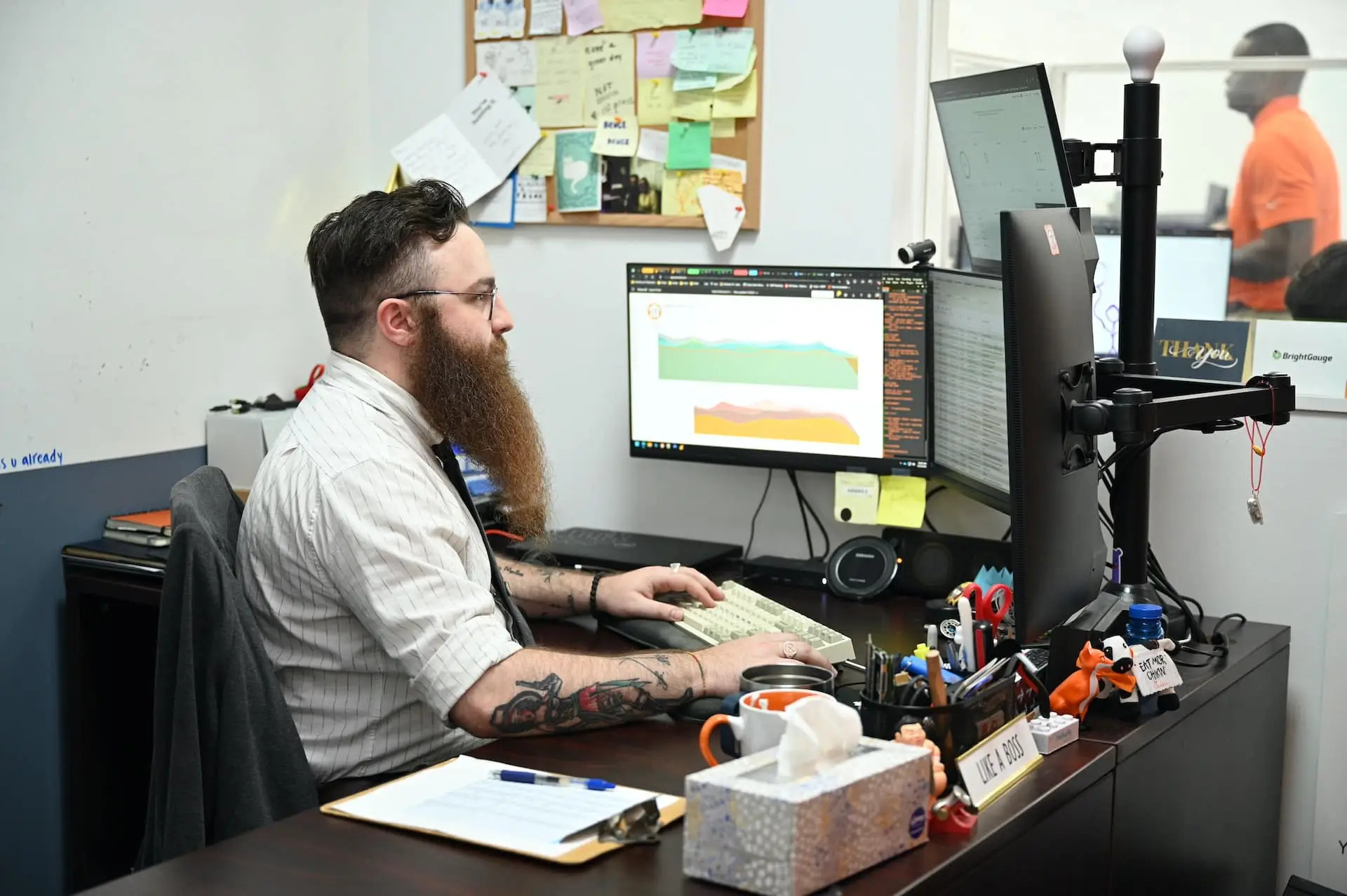
A real healthcare IT partner publishes their response times and stands behind them. At WheelHouse IT we answer in 52 seconds on average and resolve most tickets in under 30 minutes. Not because that’s marketing, but because patient care doesn’t wait. Ask any prospective partner for the same numbers, in writing.
Most practices don’t know exactly where their HIPAA exposure sits until something forces them to look. An audit notice, a payer requirement, an attempted breach.
We run a complimentary network audit and risk assessment that identifies the gaps in your current infrastructure and your HIPAA control posture, and delivers a written report with prioritized recommendations. No obligation, no sales pressure. Just the information your practice needs to decide what to do next.
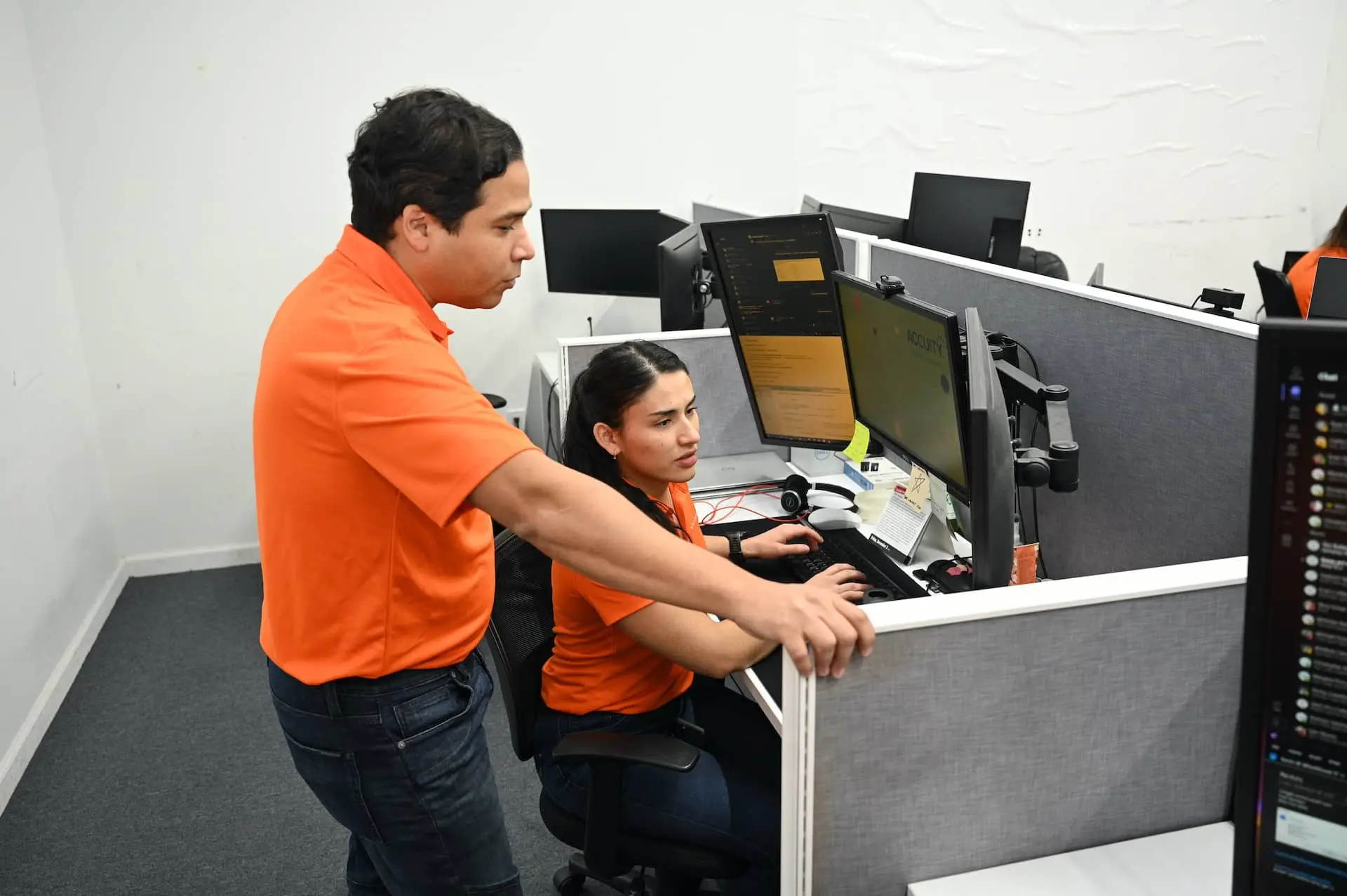
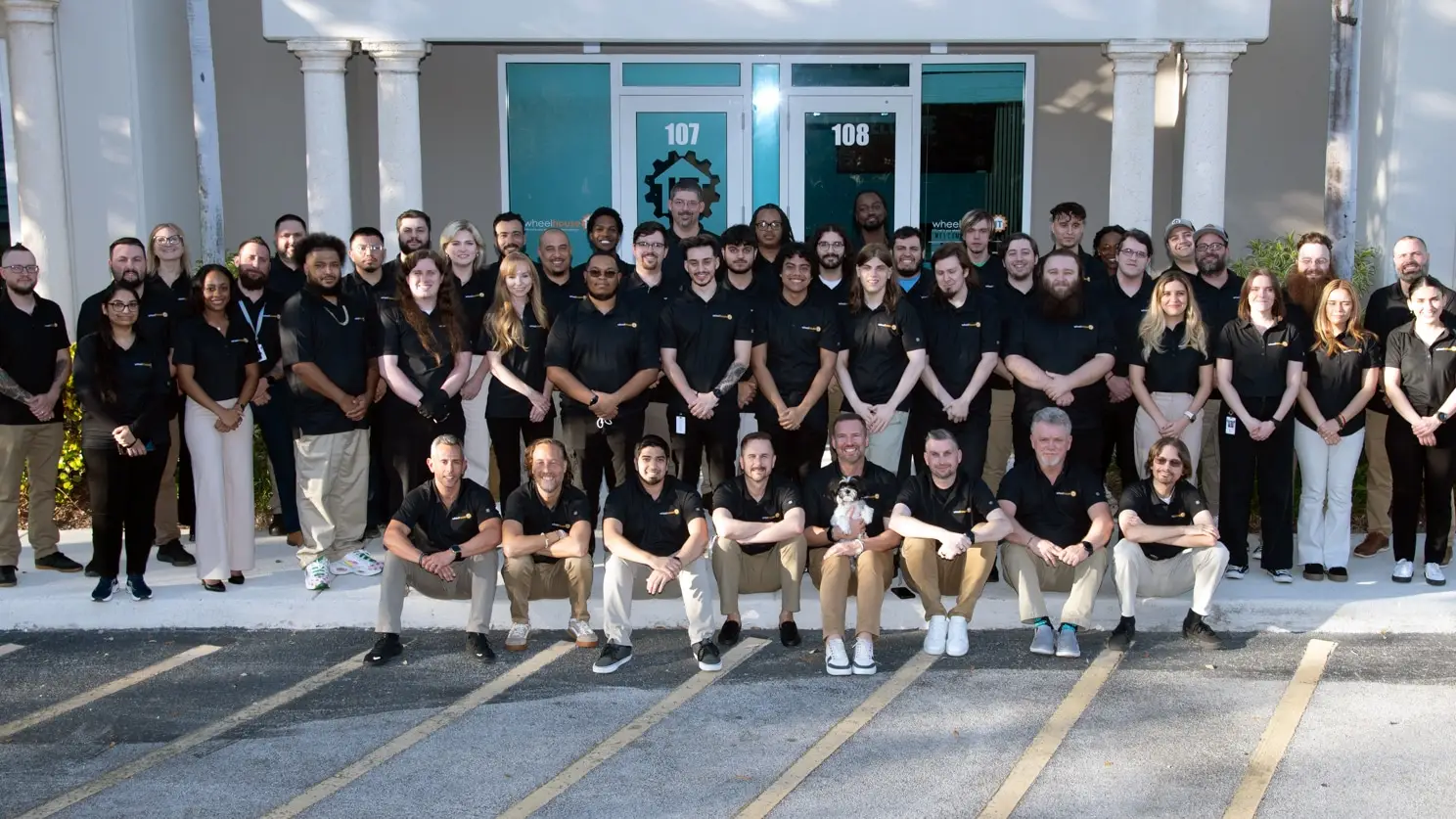
WheelHouse IT supports healthcare practices on Long Island that have moved past the stage where any MSP will do. We deliver managed IT, co-managed IT, managed cloud, and managed cybersecurity inside a framework that treats HIPAA, PHI, and clinical workflow as non-negotiable.
Our work is operational and strategic. We keep the technology running, and we plan with your leadership team for what’s coming: new locations, new compliance pressure, new EHR releases, new telehealth expectations.
The team is available around the clock for both reactive support and forward planning. If you want to know where your current setup is leaking time, security posture, or money, that conversation starts with a call.
15 minutes is all it takes to see if our approach aligns with your needs.
Call, chat, email, or fill out the form to be connected with a technical advisor.